

Picking between a low taper fade and a mid taper fade sounds simple until you sit in the barber’s chair. Both cuts keep the length on top and shorten the sides. Both look clean. The difference comes down to one thing: how high the shortening starts.
That one detail changes how bold the haircut looks, how often you need a trim, and how well it suits your head shape. This guide explains each cut in plain language. It also shows you how to ask for the right one.
The short version
A low taper fade starts near the ear and the neckline. A mid taper fade starts around the temple. The low taper is subtle, classic and easier to keep. The mid taper is sharper, more noticeable and shows grow-out sooner.
Here is the quick answer:
- Choose a low taper fade if you work in a formal setting, like a gentle change, or want a longer gap between haircuts.
- Choose a mid taper fade if you want clear contrast, a modern shape, or a cut that makes the top of your hair stand out.
Still unsure? Start low. It is easy to go higher at your next visit. It is much harder to go lower.
What is a low taper fade?

A low taper fade is a haircut where the hair gets gradually shorter only around the lower edges of the head. These are the sideburns, the area behind the ears and the nape of the neck. Everything above that zone stays longer and blends softly into the top.
Where it starts and how it looks?
The shortening begins low, usually just above the ear and along the natural neckline. The sides above that point keep most of their length. The result is a soft frame rather than a dramatic fade.
Because the change is limited to a small area, the cut looks natural. People often describe it as “just a very neat haircut” rather than a fade at all.
Who usually gets it?
A low taper fade is popular with:
- Office workers and professionals
- Men who want a first taper
- Guys with longer or thicker hair on top
- Anyone who likes a clean look without a strong shaved effect
Key features of a low taper fade
- Short hair only around the ears and neckline
- A gentle, gradual blend
- Longer sides than a mid taper
- Works with both short and medium length tops
See also: 10 Best Mid Taper Fade with Design Ideas for Men (2026)
What is a mid taper fade?
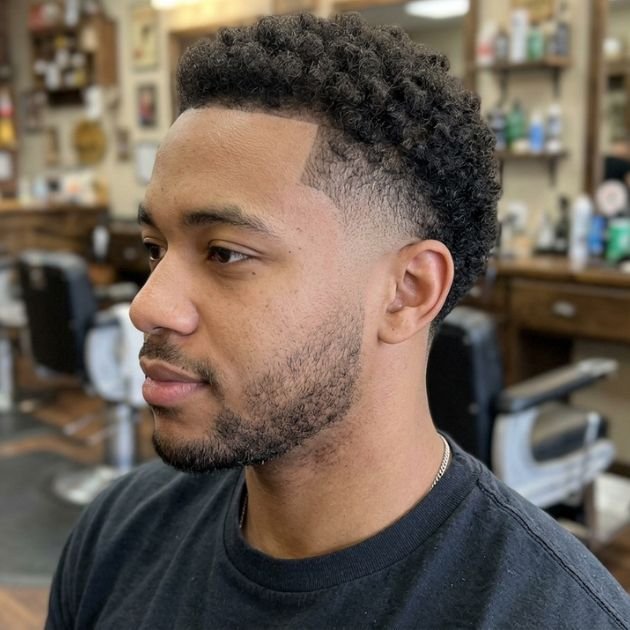
A mid taper fade starts the shortening higher up the head, around the level of the temple. The hair gets shorter in a smooth gradient as it moves down toward the ears and neck.
Where it starts and how it looks?
Think of an imaginary line running from the top of your ear toward the middle of the side of your head. The taper begins around there. More of the side is visibly shortened, so the contrast between the top and the sides is stronger.
That extra contrast gives the cut a sharper, more defined outline. It makes the hair on top look fuller and more intentional.
Who usually gets it?
A mid taper fade is a good fit for:
- Men who want a modern, structured look
- Guys with thick or fast growing hair
- People who like styled tops such as quiffs and textured crops
- Anyone who wants more shape without going all the way to a high fade
Key features of a mid taper fade
- Taper begins at the temple area
- More noticeable gradient
- Stronger contrast with the top
- A balanced option between subtle and bold
Taper vs fade: a quick clarification
Many people use “taper” and “fade” as if they mean the same thing. They do not.
- A taper leaves some length at the shortest point. It is softer and more conservative.
- A fade often goes down to very short hair or skin. It is more dramatic.
A taper fade sits in between. It blends like a fade but keeps a subtle finish. If you want to go all the way to skin, ask for a skin fade or a bald fade instead.
How the two look side by side?
Here is a simple comparison you can scan quickly.
| Feature | Low Taper Fade | Mid Taper Fade |
| Starting point | Near ears and neckline | Around the temple |
| Contrast | Low | Medium |
| Overall mood | Classic and neat | Sharp and modern |
| Visible grow-out | Slow | Faster |
| Typical trim interval | 3 to 4 weeks | 2 to 3 weeks |
| Best for | Formal and everyday looks | Styled and trend focused looks |
| First time friendly | Yes | Yes, with clear guidance |
What you notice in the mirror?
From the front, a low taper looks like a tidy frame around your face. A mid taper creates a visible shape on the sides.
From the side, a low taper keeps the head outline soft. A mid taper adds more definition and can make the top look taller.
From behind, both cuts clean up the neckline. The mid taper shows a longer, more visible gradient.
Which one looks more professional?
Both can look professional. The low taper fade is usually the safer pick in conservative workplaces.
Why the low taper wins in formal settings
- The contrast is minimal, so the haircut looks calm and polished.
- It pairs well with a side part, which is a standard business look.
- It reads as “well groomed” rather than “trendy.”
This makes it a strong choice for law, finance, healthcare, education and client facing roles.
When the mid taper works at work?
A mid taper is still suitable for most modern offices. It tends to look best when the top is neatly styled and not too messy. In creative fields, tech and retail, it often looks fresh and confident.
A simple rule: if your dress code is formal, go low. If your workplace is relaxed or creative, mid is fine.
Which fade suits your face shape?
Face shape matters because hair changes how we read proportions. Use these notes as a guide, not a strict rule.
Round face
A mid taper fade is often the better choice. The extra shortening on the sides makes the face look longer and slimmer. Pair it with some height on top.
Square face
A low taper fade keeps the strong jawline from looking too sharp. A mid taper also works if you like a bold, structured look.
Oval face
Lucky you. Both cuts work. Pick based on lifestyle and hair type.
Oblong or long face
A low taper fade is usually better. It keeps some width on the sides, which stops the face from looking longer.
Heart shaped face
A low taper fade balances a wider forehead and a narrower chin. Keep the top softer and avoid too much height.
Diamond shaped face
A mid taper can emphasise the cheekbones, while a low taper keeps the look softer. A textured fringe helps balance the forehead.
Receding hairline or high forehead
A low taper tends to draw less attention to the hairline. A mid taper can work if the top is styled forward. Ask your barber to keep the temple area neat and not cut too tight.
See also: 8 Best Mid Taper Fade Textured Fringe Styles for Men (2026)
Which one works better for your hair type?
Your hair texture affects how a taper blends and how long it stays neat.
Straight hair
Straight hair shows every blend line clearly. A low taper looks very clean. A mid taper looks sharp but needs a skilled barber to avoid visible steps.
Wavy hair
Wavy hair has natural movement. A low taper keeps the waves relaxed. A mid taper gives more shape and works well with a textured crop.
Curly hair
Both cuts are excellent with curls. A low taper leaves more volume on the sides. A mid taper creates clearer separation between the curls on top and the short sides.
Coily and afro textured hair
A mid taper often shows contrast beautifully on tightly coiled hair. A low taper is a good choice if you prefer a softer outline. Ask for a clean edge up and a neat blend at the nape.
Thick hair
Thick hair can look bulky on the sides. A mid taper removes weight and keeps things tidy. It grows out fast, so plan regular visits.
Fine or thinning hair
A low taper keeps the look natural and avoids exposing thin areas. Use light styling products to keep the top from looking flat.
Cowlicks and unusual growth patterns
Tell your barber about any cowlicks before the cut starts. Growth direction can change where a taper should begin.
Pairing each fade with popular top styles
The top of your haircut is half of the picture. These pairings are popular and easy to ask for.
Best top styles for a low taper fade
- Side part: a clean, classic choice for work.
- Textured fringe: relaxed and youthful.
- Slick back: polished and simple with medium length hair.
- Natural curls: soft volume with a tidy frame.
- Short crop: low effort and low maintenance.
Best top styles for a mid taper fade
- Quiff: gains height and shape from the stronger contrast.
- Pompadour: looks bold and structured.
- Textured crop: modern and easy to style.
- French crop: short, sharp and practical.
- Curly top: curls stand out clearly against the shortened sides.
Beard pairing
If you wear a beard, a low taper blends well with a short, natural beard. A mid taper works nicely with a fuller beard because the fade can connect into the sideburns and cheek line. Ask your barber to blend the two together so there is no sudden break.
Maintenance: which one lasts longer?
The low taper fade lasts longer. Because the contrast is smaller, new growth is less obvious.
Typical upkeep schedule
- Low taper fade: a trim every 3 to 4 weeks keeps it neat.
- Mid taper fade: a trim every 2 to 3 weeks keeps the blend sharp.
Hair grows at roughly half an inch (about 1.25 cm) per month on average. That is enough to blur a mid taper in a couple of weeks, especially around the ears and neck.
A simple grow-out timeline
- Week 1: crisp lines and a clean blend.
- Week 2: still tidy. The mid taper begins to lose its edge.
- Week 3: the neckline and ears look fuzzy. Time for a mid taper refresh.
- Week 4: a low taper still looks acceptable. The mid taper looks grown out.
- Week 5 and beyond: both need a visit.
Ways to stretch time between cuts
- Ask for a neckline clean up only, which is often quicker and cheaper.
- Keep the top slightly longer so the shape stays balanced.
- Use a light product to cover fuzz while you wait.
Everyday styling and products
A good taper does most of the work for you. Still, the right routine keeps it looking fresh.
Basic styling steps
- Wash with a mild shampoo.
- Towel dry until damp, not wet.
- Apply a small amount of product.
- Shape the top with your fingers or a comb.
- Finish with a light hold spray if needed.
Product choices by finish
- Matte clay or paste: textured, natural look. Great for crops and fringes.
- Pomade: shine and hold. Good for slick backs and side parts.
- Sea salt spray: adds volume to fine hair.
- Curl cream: defines curls and fights frizz.
- Light oil or leave in conditioner: helps coily hair stay soft.
Tips for a cleaner look
- Use a small amount first. You can always add more.
- Comb product from the back to the front for even coverage.
- Keep the sides clear of heavy wax so the taper stays visible.
- Brush or comb the shortened areas daily to avoid a messy edge.
Pros and cons at a glance
Low taper fade
Pros
- Subtle and professional
- Slower grow-out
- Very versatile with most top styles
- Easy to ask for and hard to get wrong
- Good for first-time taper clients
Cons
- Less contrast and less drama
- May look too plain if you want a bold style
- Does less to slim a rounder face
Mid taper fade
Pros
- Strong, clear shape
- Makes the top look fuller
- Works well with textured and curly hair
- Modern look without going too bold
Cons
- Needs more frequent trims
- Grow-out shows sooner
- Can look sharp for very conservative workplaces
- A poor blend is easy to spot
How to ask your barber?
Clear communication is the best way to get the cut you want. Barbers use different terms, and “taper” can mean different things in different shops.
What to say?
Try a short script like this:
“I’d like a low taper fade. Start the taper just above my ears and around the neckline. Leave the sides longer, and keep the top about [length] with a [style].”
For a mid taper:
“I’d like a mid taper fade. Start the taper around my temples and blend it smoothly down to the neckline. Keep the top [length] with a [style].”
Helpful details to include
- Fade height: low or mid.
- Shortest length: for example, a number 1 or 2 guard, or ask for a “skin” finish if you want it.
- Top length: use your fingers to show an amount.
- Neckline: natural, squared or rounded.
- Edge up: yes or no.
Bring a photo
A picture removes guesswork. Choose one that shows the haircut from the front and the side. Also tell your barber what you do not like, such as “not too tight at the temple.”
Ask questions
A good barber will explain what suits your head shape. If they suggest something different, listen. They can see your growth pattern and hairline up close.
Common mistakes to avoid?
Even a great haircut can go wrong. Watch out for these.
- Mixing up taper and fade. If you want a soft look and say “fade,” you may get something much shorter than expected.
- Going too high on a first visit. Start with a low taper and adjust next time.
- Ignoring your hairline. A tight temple taper can make a receding hairline stand out.
- Skipping the photo. Words alone are easy to misread.
- Waiting too long between cuts. A mid taper grows out quickly and loses its shape.
- Using too much product. Heavy wax can hide the contrast you paid for.
- Forgetting the beard. A beard and taper should blend together, not look separate.
- Not telling your barber about cowlicks. This can lead to patchy results.
- Choosing based on trend alone. The right fade should suit your face, hair and job.
FAQ’s
What is the main difference between a low taper and a mid taper?
A low taper starts near the ears and neckline, while a mid taper starts around the temple. The mid taper is more noticeable.
Is a low taper fade more professional than a mid taper?
Usually yes, because the contrast is softer and looks more traditional. A neat mid taper still works in most modern offices.
Which taper fade is easier to maintain?
The low taper is easier. It grows out more slowly and can often go 3 to 4 weeks between trims.
Can I get a low or mid taper with curly hair?
Yes, both work very well with curls. A mid taper gives stronger contrast, while a low taper keeps more volume on the sides.
Which fade is best for a round face?
A mid taper is often better for a round face because it adds shape and makes the face look longer.
Conclusion
A low taper fade and a mid taper fade share the same idea, but they deliver different results. The low taper is soft, classic and forgiving. It suits formal settings, first-time clients and people who like fewer barber visits. The mid taper is sharper and more defined. It suits modern styles, thick hair and anyone who wants the top of their haircut to stand out.
Think about your face shape, hair texture, workplace and how often you want to visit the barber. If you are still undecided, begin with a low taper and move up a level next time if you want more contrast.
Bring a photo, use clear words, and trust a barber who explains their choices. Do that, and you will walk out with the cut you actually wanted.

Abu Huraira is the administrator of Faxhion Crown, a blog dedicated to hairstyles, fashion trends, and personal style. He is passionate about helping readers discover fresh hairstyle ideas, explore modern fashion, and find inspiration for everyday looks. Through Faxhion Crown, Huraira aims to share helpful styling tips, beauty inspiration, and fashion insights that help readers express their individuality with confidence.
3 thoughts on “Low Taper Fade vs Mid Taper Fade: Which One Is Right for You?”